About the expedition
Among pirates, treasure and an ocean without borders
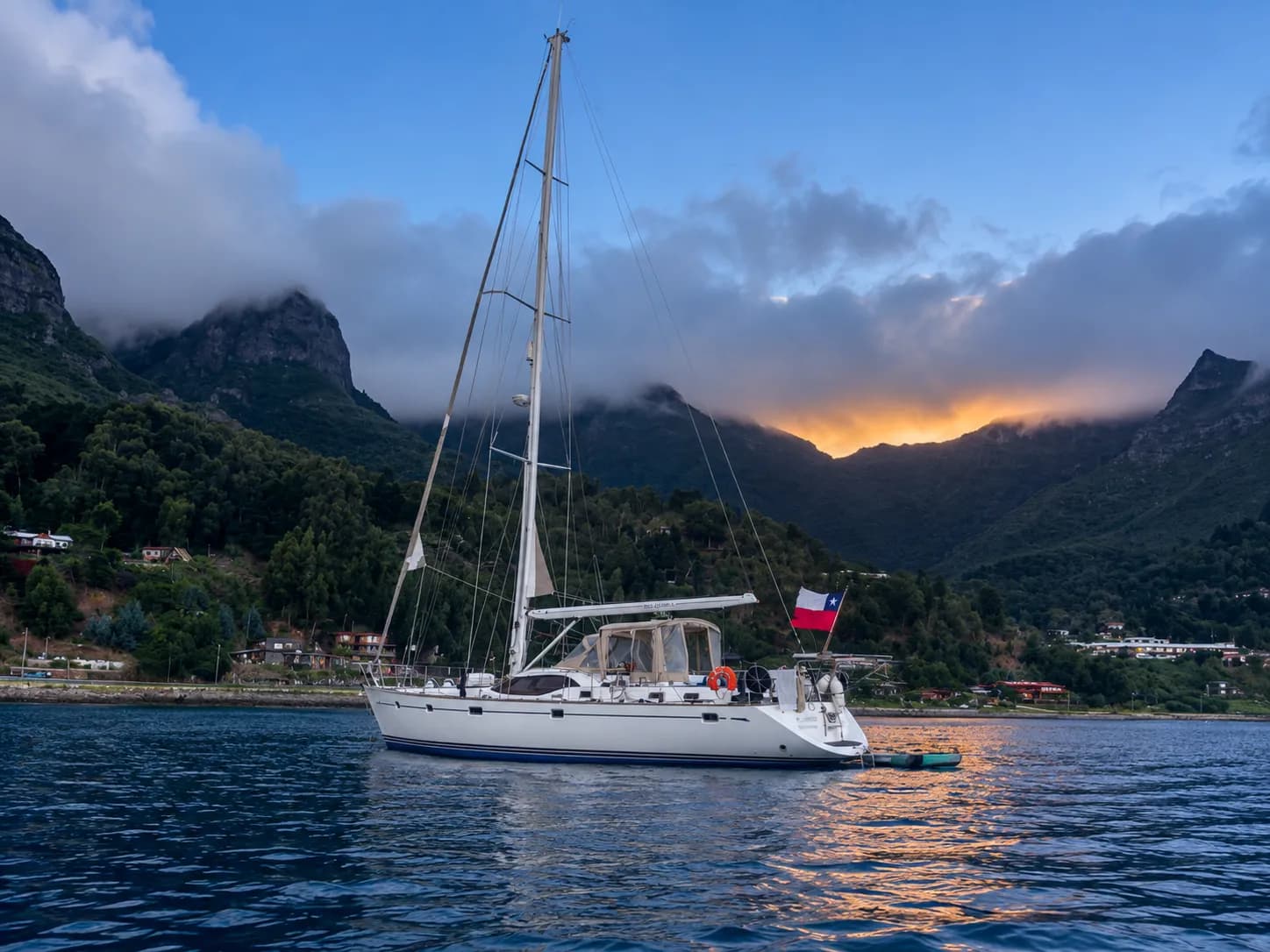
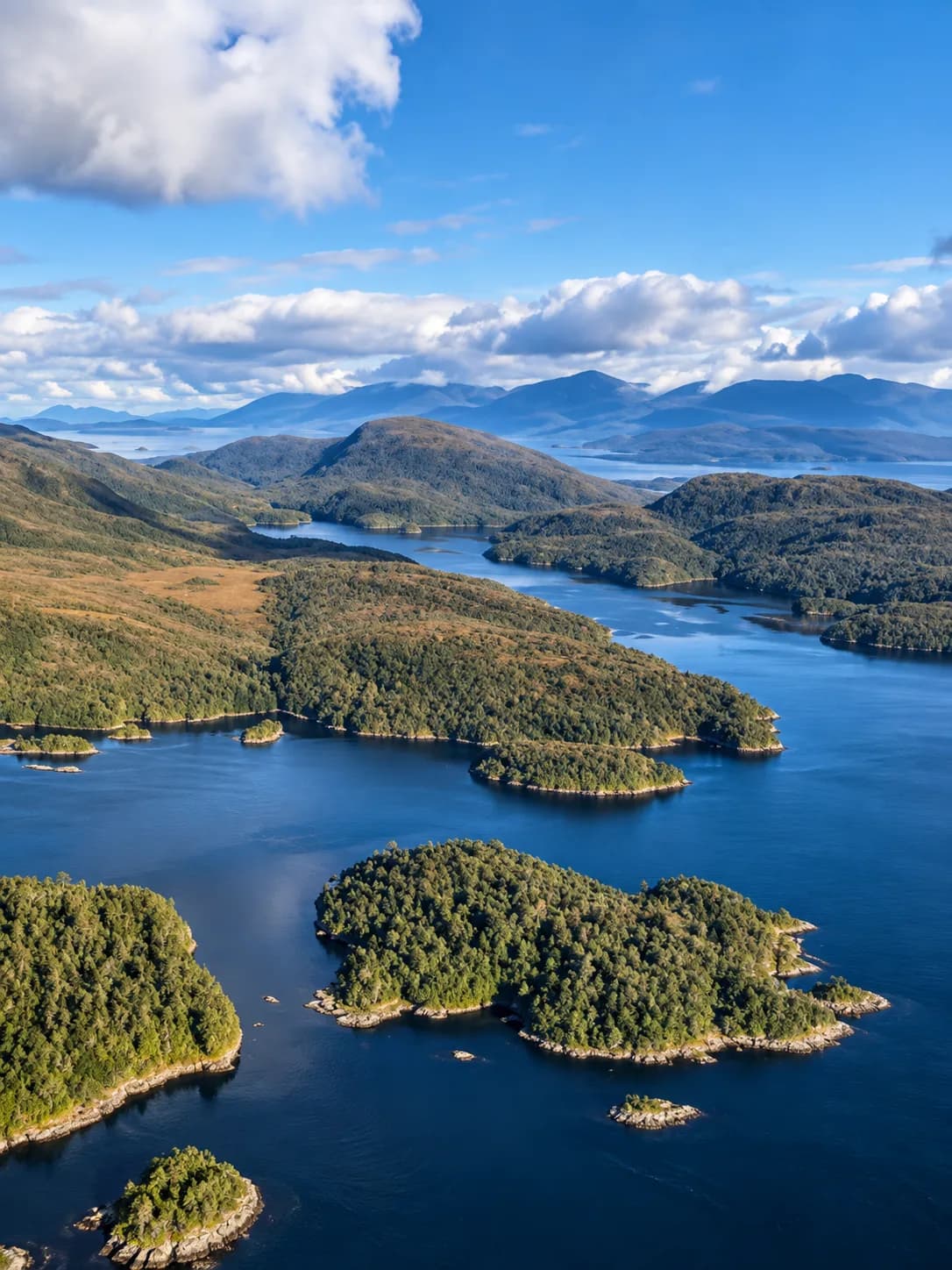
The Juan Fernández Archipelago emerges from the Pacific as a territory set apart from the mainland and the usual routes. Reaching its islands is part of the expedition: days of sailing on the open sea before reaching a landscape of volcanic mountains, cliffs, forests and deep waters where marine life takes on an extraordinary dimension.
The history of these islands is marked by seafarers, privateers and pirates who found shelter, water and food along their shores. For centuries, stories circulated of shipwrecks, secret maps and hidden treasure. Among them is the legend of the Robinson Crusoe Island treasure, associated with old tales of riches buried by seafarers and pirates in remote parts of the archipelago. Whatever the balance between fact and legend, these stories are inseparable from the imagination of Juan Fernández.
More about the expedition+
The expedition also reaches Alejandro Selkirk Island, the westernmost and most isolated island of the archipelago. Its mountains rise abruptly from the ocean and its shores contain some of the territory's most dramatic landscapes. It is a difficult island to reach, exposed to the Pacific and deeply shaped by its isolation.
But Juan Fernández is not discovered solely from the deck. Beneath the surface lies another territory: underwater walls, kelp forests, clear waters and an extraordinary concentration of marine life. Spiny lobsters, fish, sea lions and other endemic species make its waters one of the expedition's great attractions for those seeking to explore, photograph or document the underwater world.
Sailing Juan Fernández means travelling through a territory where history, legend, ocean and nature remain closely intertwined. It means following a route that was once a port of call for seafarers and a refuge for privateers, and which remains one of Chile's most remote and distinctive island destinations.